

What a well-planned solar job gives you
Roof space used sensibly
Panel layout is matched to usable roof area instead of forcing a design that does not fit.
Electrical side done properly
Connection back into the installation is planned with the same care as the roof layout.
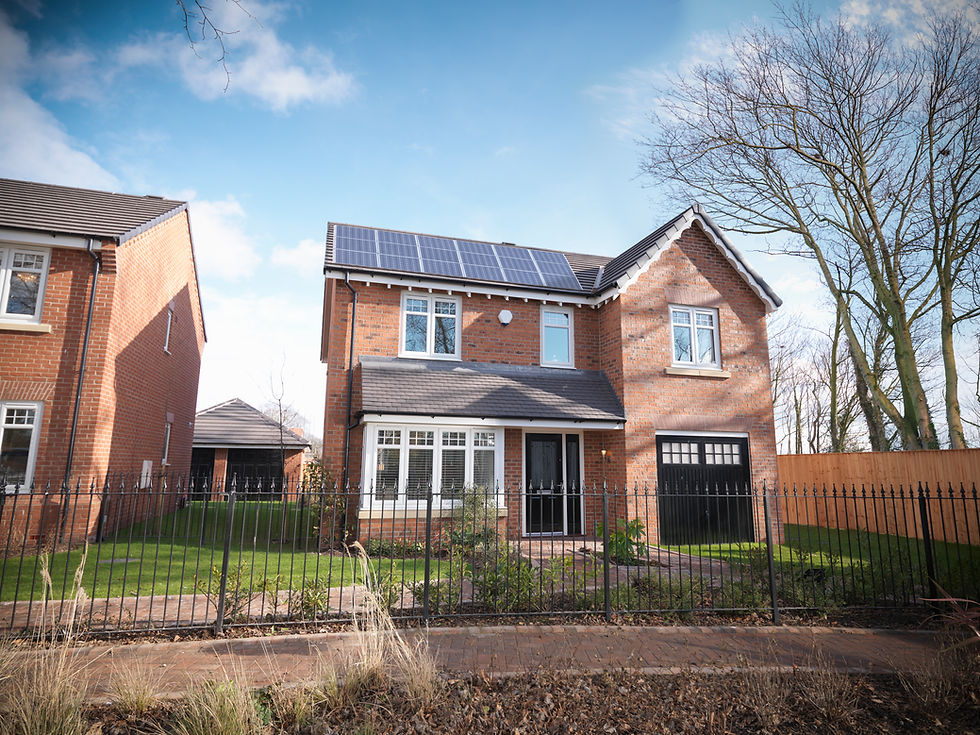
A solar layout should fit the roof and the demand
Solar works best when the roof and the electrical side of the job are treated as one plan. We assess roof condition, orientation, shading, available space and how much electricity the property actually uses before recommending a layout. That stops the conversation drifting into guesswork about what might fit. In Stirling, we install solar panel systems with the key parts working together properly, including the panels, mounting equipment, DC cabling, inverter, generation monitoring and connection back into the installation.
Safe access, sound connection and clear guidance
System size and panel layout should match usable roof space and expected on-site demand, not a one-size suggestion copied from somewhere else. We look at safe access for installation, how the electrical connection will be made, and what you will need to monitor performance afterwards. Once commissioned, we talk you through the system so you understand what it is doing and how to keep an eye on output. It is a practical approach that makes the finished installation easier to live with and easier to understand.
Frequently asked questions
How do you decide if a roof is suitable for solar?
We assess roof condition, orientation, shading and available space, then compare that with how much electricity the property uses. That gives a more realistic view of suitability than simply measuring the roof from the ground.
How is the size of the solar system worked out?
System size is based on usable roof space and expected on-site electricity demand. The idea is to plan a layout that makes sense for the building rather than guessing at a bigger setup that the roof or demand does not support.
Will we be shown how to monitor the system?
Yes. Once installation and commissioning are complete, we talk you through the monitoring side so you can keep an eye on output and understand what the system is doing from day to day.